
 Tiếng Việt


In 1948, Gaggia was founded in Milan and quickly launched the Classica commercial lever machine, followed by many large machines serving coffee shops.
In 1970, Gaggia introduced the compact Baby Gaggia espresso machine to the market. This was a turning point that created a new craze for millions of home coffee enthusiasts worldwide.
In 1991, Gaggia continued this success and launched the legendary Gaggia Classic. The machine featured an aluminum boiler, OPV valve, 3-way solenoid valve… Its design and quality have been carried forward in all subsequent versions.
In 2009, Gaggia made some aesthetic updates with an embossed logo to refresh the Classic line.
From 2015-2018, for various reasons, the Gaggia Classic V2 version used a steel boiler and removed the 3-way pressure release valve and OPV pressure limiting valve, making this machine line considerably less user-friendly than in previous years.
In 2019, Gaggia returned with the Classic Pro featuring an aluminum boiler and fully restored the previously omitted components. The 2-hole steam wand even allowed users to create powerful milk foam for smoother, glossier lattes. A minor drawback was that the Classic Pro’s OPV pressure limiting valve used a mechanism that was harder to adjust than previous versions.
In 2021, Gaggia produced 3,000 special edition units commemorating Classic’s 30th anniversary. The company collaborated with artist Pierpaolo Gaballo and used the symbol of an acrobat printed on the machine body to represent home baristas trying to balance all the elements when brewing coffee.
In 2023, they launched the Classic Evo evolution version with an aluminum boiler coated with an additional anti-corrosion layer. Unfortunately, this coating didn’t work effectively, so the Evo only lasted one year before early retirement.
In 2024, the Gaggia Classic Evo Pro 2024 (E24) was released using a brass boiler with a 136ml capacity (a 25% increase over the Classic Pro) and has become the most comprehensive version of the Classic line from a technical standpoint. The machine features a full 3-way valve, OPV set to 9 bar by default, brass group head, and is entirely made in Italy.

Key Milestones in the Gaggia Classic Espresso Machine Line
REAL-WORLD RESULTS OF THE GAGGIA CLASSIC E24 ESPRESSO MACHINE UPGRADES
In previous versions, Gaggia Classic used an aluminum boiler. The biggest change in the Gaggia E24 is the switch to a brass boiler with a 136ml capacity. Brass is heavier and retains heat better than aluminum, which has a positive impact on the E24’s brewing performance.

The most important upgrade of the Gaggia Classic E24 is using a brass boiler
- More stable brass boiler temperature: The number of times the heating indicator light turns on and off shows that within 5 minutes, the aluminum boiler on the 2019 Classic had to heat 7 times to maintain optimal water temperature, while the E24 only needs to heat 4 times. This makes sense because brass’s density is about 3 times heavier than aluminum, so it stores heat better.

The heating cycle of the Gaggia E24 coffee maker is longer thanks to the copper material of the boiler (source: Whole Latte Love)
- Temperature sensor operates within a 1°C range compared to 4°C on the 2023 version: Changing the sensor position combined with the boiler material shift from aluminum to brass also helps the sensor operate within a smaller range, making the boiler temperature more stable.
- Less temperature fluctuation throughout the extraction process: Temperature fluctuates only about 2-3°C during brewing (compared to ~4°C on the 2019 Pro version), allowing for more stable coffee extraction.
- Better protection against electrochemical corrosion in the boiler: Because the group head material is also brass like the boiler, there’s no corrosion occurring through electron exchange between two different materials (Evo 2023 or Classic Pro 2019 had aluminum boiler + brass group head, so they corroded more). This gives the Gaggia E24 superior longevity compared to previous machine versions.

The material consistency between the brass boiler and group head is the main reason for the Gaggia Classic E24’s durability
- Enhanced steam wand power due to 25% larger boiler capacity: In several tests with 150ml of cold milk, the E24 takes 30 seconds to heat to 55°C, which is about 10% faster than the Classic Evo 2023 or Classic Pro 2019 (which has a 108ml boiler).

The increased boiler capacity combined with the 2-hole steam wand helps the Gaggia Classic E24 create better mixing swirls, producing smoother foam for lattes
Another small change not immediately visible to the naked eye: The Gaggia E24’s portafilter handle is cast from solid steel rather than chrome-plated brass. Just wash it clean and dry it, and this handle will always look like new.

The Gaggia E24’s portafilter handle is cast from steel, making it harder, shinier, and more durable in appearance than the chrome-plated brass handles of previous versions
DRAWBACKS OF THE E24 USING A BRASS BOILER
The brass boiler with many advantages on the E24, from another perspective, will also need a bit of understanding from users:
- Increased warm-up time: The E24 needs about 30 extra seconds to fully heat up compared to Classic machines with aluminum boilers. Total stabilization time is around 12+ minutes. However, the context of home espresso machine use makes this drawback easy to overlook.
- E24’s steaming readiness time is 15-20 seconds slower than the Evo 2023: It takes about 65-70 seconds to switch from brewing mode to steaming. This means making a latte with the E24 also takes more time. On the upside, the steam power is improved and the milk foam is glossier and smoother, so this time difference is worthwhile.
- Water temperature is quite high compared to what’s needed for brewing coffee: When the machine is stable and the light is on, the water temperature will always be above 97°C. Users need to flush water before brewing to ensure they don’t scorch the coffee.
HOW TO PREDICT TEMPERATURE TO DECIDE WHEN TO BREW WITH THE GAGGIA E24
The Gaggia E24 is a non-PID machine, meaning users don’t actively control water temperature precisely. Therefore, if you want to brew coffee just right, you need some understanding of how the machine’s temperature control system works.
After turning on the machine for about 12 minutes, the temperature on the E24 enters a stable maintenance cycle with the indicator light continuously turning on and off. Looking through the hidden internal parameters will help users choose the most suitable brewing time for their needs.

According to data from the Espresso Hackers YouTube channel, the E24 maintains boiler temperature in a stable cycle, turning off at 104°C and turning back on at 103°C
- Right when the light turns off: The temperature inside the boiler measures around 103°C, corresponding to about 97.2°C at the group head. The machine will begin heating again, and this process lasts about 15 seconds.
- When the light turns on: The boiler temperature reaches 104°C, corresponding to about 98.7°C at the group head, and the machine stops heating.
- ~25 seconds after the light turns on: Even though the machine doesn’t continue powering the heating element, inertia still causes the boiler temperature to rise to 118°C, corresponding to ~102°C at the group head. Brewing coffee at this point will be extremely hot and may scorch the coffee.
PRACTICAL APPLICATION WHEN PREDICTING BREWING TEMPERATURE
- If you conventionally start brewing when the indicator light is on: The brewing water temperature will almost always be above 97°C, meaning it’s very hot and you’ll almost always need to flush some water first to reduce the temperature.
- Want to brew coffee at 95°C with light roast beans: When the light turns off (machine starts heating), flush water for about 10 seconds, then attach the portafilter and press extract.
- Want to brew at around 93°C: Right when the light turns off, flush water for about 15 seconds, attach the portafilter and press extract.
- Want to brew at temperatures below 90°C with dark roast beans: Right when the light turns off, flush water for about 20 seconds before brewing coffee.
***Note: Brew coffee when the indicator light has just turned off rather than when it’s on as in the instruction manual, and you’ll find it easier to get a better cup of coffee.
FOUNDATIONAL FEATURES OF THE GAGGIA CLASSIC ESPRESSO MACHINE
- Uses 1 boiler for brewing coffee as well as generating steam for milk: A compact machine for families, take your time waiting as it will need 1 minute to switch between brewing coffee and steaming milk for lattes.
- Has a 3-way solenoid valve: Pressure will be released from the portafilter immediately when the brew switch turns off, making it easy for users to remove and clean the handle.
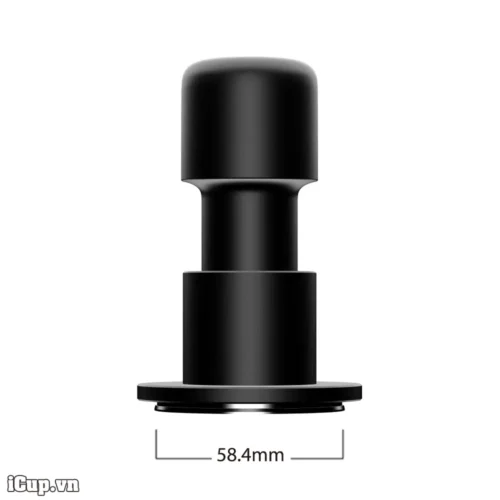
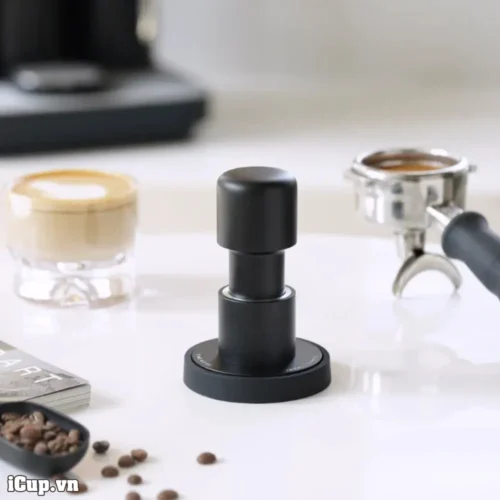
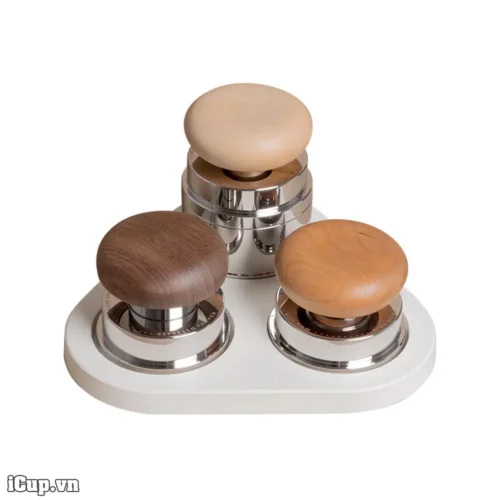
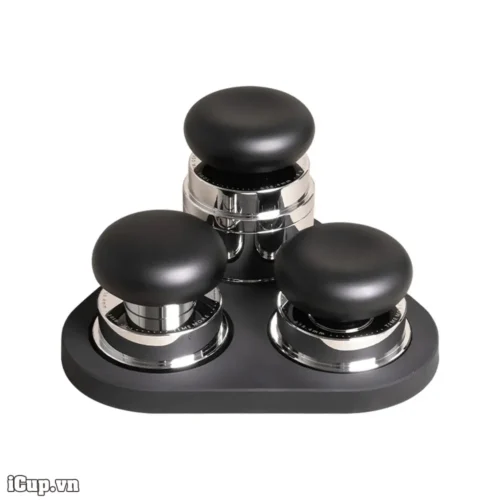
- Uses professional 58mm filter basket handle: Easy to buy specialized support accessories like WDT, OCD, tamper, dosing ring…
- Machine has Eco mode that auto-shuts off after 15 minutes of non-use: Good for those who are forgetful or forget to turn off the machine after use.
DRAWBACKS OF THE GAGGIA CLASSIC PRO E24 ESPRESSO MACHINE

One of the inherent drawbacks of the Gaggia Classic line is the very low cup clearance space, so you have to get creative if using a scale
- Low drip tray: Placing a scale and coffee cup on it leaves no room for the portafilter. Each time you brew, users need to angle the cup sideways so the spout sits fully inside the cup opening. Using a short, wide-mouth cup, a thin-designed scale like the Timemore Mini, or buying a bottomless portafilter for the Gaggia are complete solutions for this issue.
- Plastic 9 bar OPV valve: The default pressure is 9 bar and cannot be changed unless you replace the OPV valve with another type.
WHO IS THE GAGGIA CLASSIC EVO PRO E24 SUITABLE FOR?
The Classic E24 is actually an entry-level espresso machine in Europe, where its $500 price tag is only a few days’ wages for an average person.
In Vietnam, machines in the entry-level segment will have a price range of 5-10 million VND and mainly come from Chinese espresso machines. Most have good specifications. If priced similarly to European machines, their specifications will be significantly superior. Therefore, we have many choices considered more reasonable when looking to buy a home espresso machine.
Users may be suitable for the Gaggia E24 if they find themselves having 3 out of 4 of the following desires:
- Looking for a home espresso machine with 100% Italian origin: Nearly 8 decades of development history has proven Gaggia’s indisputable quality worldwide.
- Need a simple, easy-to-use machine: No electronic screen, no parameter settings, just turn it on and use it!
- Want a machine that serves daily and lasts for many years: Solid steel frame, Italian components, mechanical switches that almost never break.
- Machine is easy to repair: Gaggia Classic is favorably called by the world “The most popular espresso machine of all time.” Its replacement parts are always available at dealers.
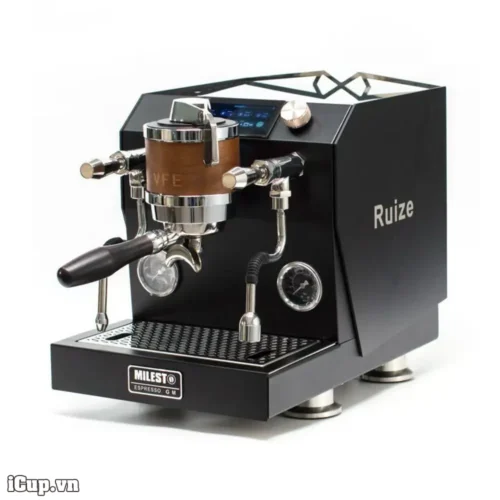
If you can overlook the Italian factor, some other Chinese espresso machines with stronger specifications and lower prices will suit you. For example, the Milesto EM19-M4: an espresso machine with full PID, simultaneous coffee brewing and milk steaming, automatic brewing profiles, electronic pressure gauge…
CONSIDER SOME OTHER HOME ESPRESSO MACHINES


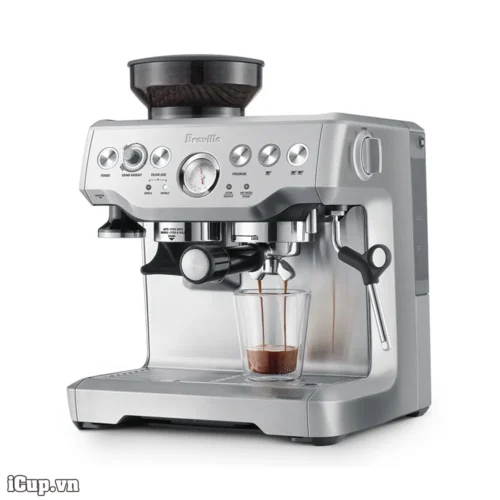
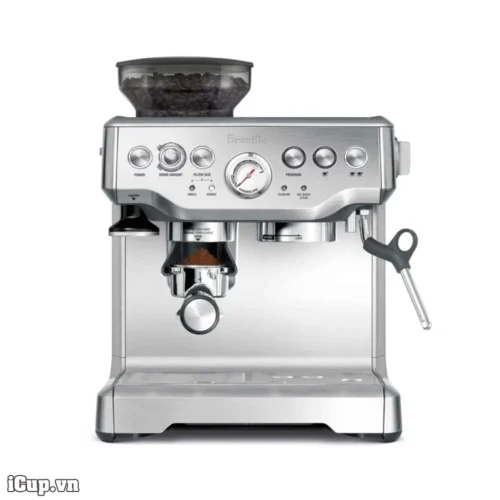


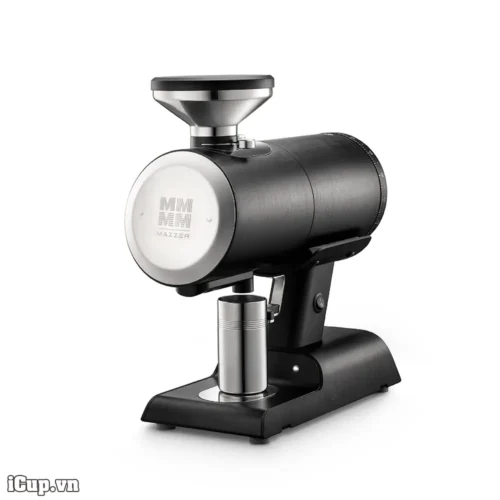
SOME COFFEE GRINDERS TO USE WITH GAGGIA E24




ESPRESSO BREWING SUPPORT ACCESSORIES





TECHNICAL SPECIFICATIONS OF THE GAGGIA CLASSIC PRO E24 ESPRESSO MACHINE
- Brand: Gaggia
- Model code: Classic Evo Pro 2024
- Dimensions: Width 230 x Depth 240 x Height 380mm
- Machine weight: 8.1kg
- Material: Steel, powder-coated
- Steel portafilter
- Voltage/Power: 220V/1200W
- Vibration pump
- Brass boiler capacity 136ml
- Water tank: 2100ml
- Made in Italy
- 12-month warranty
THE GAGGIA CLASSIC E24 ESPRESSO MACHINE SET INCLUDES
- 1 espresso machine
- 1 double spout 58mm portafilter handle
- 1 x 7g filter basket + 1 x 14g filter basket + 1 x 14g dual-layer filter basket for use with pre-ground coffee
- 1 plastic tamper
- 1 user manual (in English)
iCup is honored to bring customers the most suitable espresso machines for their usage needs and value worthy of the price.


Reviews
There are no reviews yet.